Skip to content
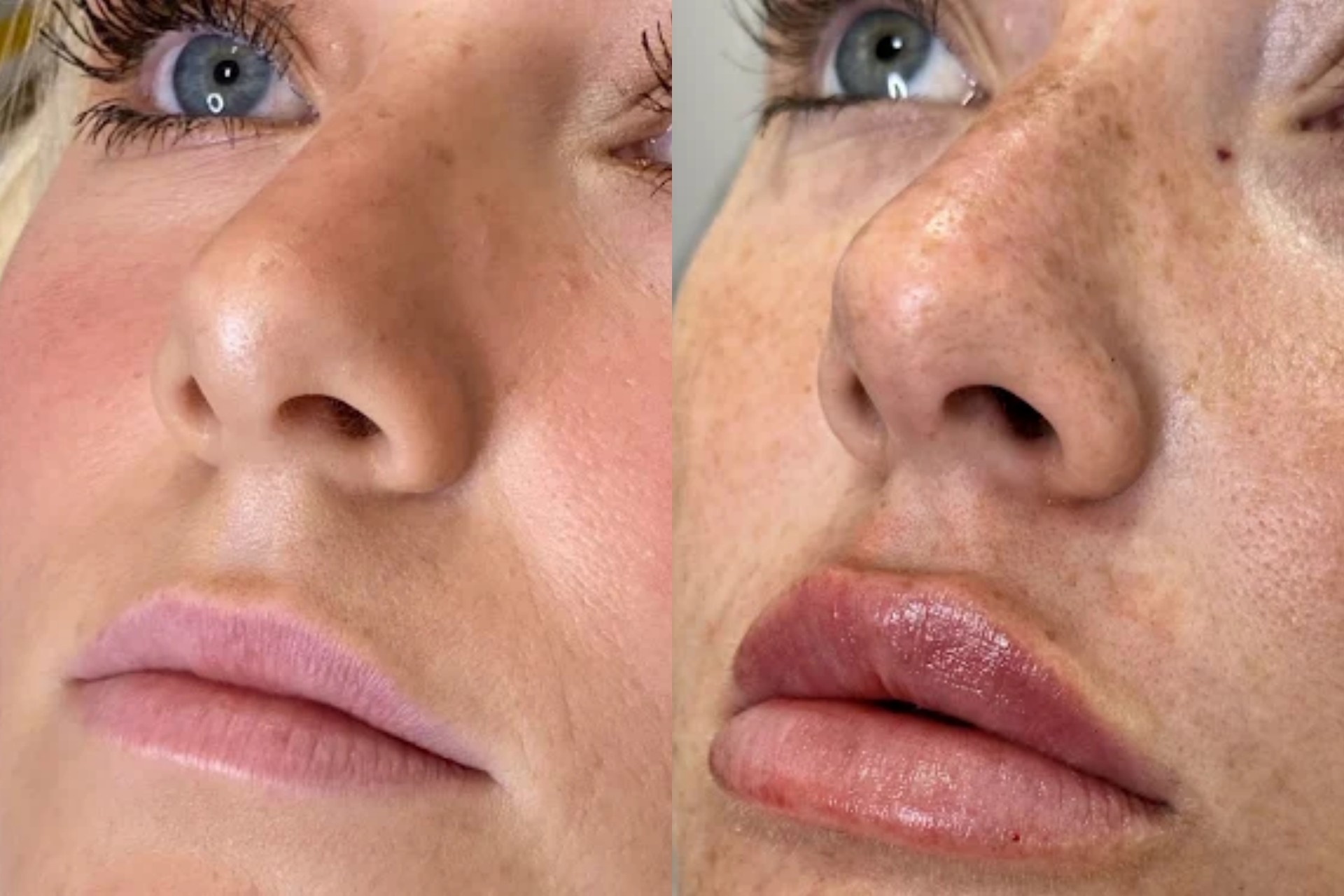
Table of Contents
If you’re thinking about getting lip filler, one of the most common questions is:
“How long will my lips stay swollen after filler?”
The good news is that swelling is a completely normal part of the healing process. While your lips may look fuller than expected during the first few days, most swelling resolves within 3 to 5 days, with final results becoming visible around 2 weeks after treatment.
At Star Rejuvenation in Addison, TX, we believe patients should know exactly what to expect before treatment. Here’s everything you need to know about lip filler swelling, healing, and aftercare.
Why Do Lips Swell After Filler?
Lip fillers are made with hyaluronic acid (HA), a substance naturally found in your body that attracts water to create soft, natural-looking volume.
Two things cause swelling after treatment:
- The filler itself attracts moisture.
- The tiny injections create temporary inflammation as your body begins healing.
Because the lips contain many blood vessels and sensitive tissue, they naturally swell more than other areas treated with dermal filler.
This is completely expected and usually temporary.
Lip Filler Swelling Timeline
Here’s what most patients experience after treatment.
Day 1: The Most Swelling
The first 24 hours are when swelling is typically at its highest.
You may notice:
- Lips look larger than expected
- Mild tenderness
- Redness
- Small bruises
- Firmness around injection sites
Don’t judge your results today—your lips will change significantly over the next several days.
Days 2–3: Peak Swelling
Many patients are surprised that swelling can actually look worse on the second day.
This is normal.
Your lips may:
- Feel tight
- Appear uneven
- Look slightly overfilled
- Have minor bruising
Resist the urge to panic. This stage is temporary.
Days 4–7: Swelling Begins to Fade
Most of the swelling has gone down by the end of the first week.
During this stage you’ll notice:
- Softer lips
- More natural shape
- Better symmetry
- Less tenderness
Many patients already love their results at this point.
Weeks 2–4: Final Results
Around two weeks after treatment:
- Swelling is essentially gone
- The filler has settled
- Lips feel soft and natural
- Final shape is visible
This is why providers often schedule follow-up appointments about two weeks after injections.
How to Reduce Lip Filler Swelling Faster
While swelling can’t be eliminated entirely, you can help minimize it by following proper aftercare.
Stay Hydrated
Hyaluronic acid attracts water.
Drinking plenty of water supports healthy healing and helps your body recover.
Sleep With Your Head Elevated
Sleeping slightly upright during the first night helps reduce fluid buildup and morning swelling.
Avoid Intense Exercise
Skip strenuous workouts for at least 24–48 hours.
Exercise increases blood flow, which can temporarily worsen swelling.
Avoid Alcohol
Alcohol can increase bruising and inflammation.
It’s best to avoid alcoholic beverages for at least one day before and after treatment.
Don’t Massage Your Lips
Unless your injector specifically instructs you to, avoid pressing, squeezing, or massaging your lips while they’re healing.
What Makes Swelling Worse?
Several factors can increase swelling after lip filler:
- Intense exercise
- Excessive heat (hot tubs, saunas)
- Alcohol
- Smoking
- High sodium intake
- Sleeping face down
Following your provider’s aftercare instructions helps ensure the smoothest recovery.
Is Uneven Swelling Normal?
Yes.
One side of the lips often swells more than the other.
It’s also common to notice:
- Small bumps
- Temporary asymmetry
- Areas that feel firmer
These usually improve naturally as the swelling resolves.
For this reason, experienced injectors recommend waiting at least two weeks before deciding whether additional filler or adjustments are needed.
When Should You Contact Your Provider?
While mild swelling is expected, contact your injector immediately if you experience:
- Severe pain
- Skin turning white, gray, or dark purple
- Increasing swelling after several days
- Fever
- Significant warmth or drainage
- Signs of infection
These symptoms are uncommon but should be evaluated promptly.
How Long Do Lip Fillers Last?
While swelling only lasts a few days, the filler itself lasts much longer.
Most hyaluronic acid lip fillers last approximately:
- 6–12 months for first-time patients
- Up to 12 months for some returning patients
Longevity depends on:
- Your metabolism
- Product used
- Amount injected
- Lifestyle factors
Why Choosing an Experienced Injector Matters
Beautiful lips aren’t just about adding volume—they’re about creating balance, proportion, and natural movement.
An experienced injector understands:
- Facial anatomy
- Proper injection depth
- Product selection
- Natural lip proportions
The result is lips that enhance your appearance without looking overdone.
Lip Fillers in Addison, TX
If you’re considering lip filler in the Dallas-Fort Worth area, the experienced team at Star Rejuvenation provides personalized treatment plans designed to achieve soft, natural-looking results.
Whether you’re looking for subtle enhancement, improved symmetry, or restored volume, we’ll guide you through every step—from consultation to aftercare—so you know exactly what to expect during healing.
Schedule Your Lip Filler Consultation
Ready to enhance your lips with confidence?
Visit Star Rejuvenation in Addison, TX to learn whether lip filler is right for you. During your consultation, we’ll discuss your goals, answer your questions, and create a treatment plan tailored to your facial features for beautiful, natural-looking results.
Frequently Asked Questions
How long are lips swollen after filler?
Most swelling improves within 3–5 days, with final results appearing after about two weeks.
Is it normal for lip filler to be uneven at first?
Yes. Temporary asymmetry is very common while swelling resolves.
Can I go to work after lip filler?
Most patients return to work the same day or the following day, though mild swelling and bruising may be visible.
How can I reduce swelling after lip injections?
Use a cold compress, stay hydrated, avoid strenuous exercise, skip alcohol, and follow your provider’s aftercare instructions.
When should I worry about swelling?
Seek medical attention if you develop severe pain, skin discoloration, fever, or swelling that continues to worsen after several days.